

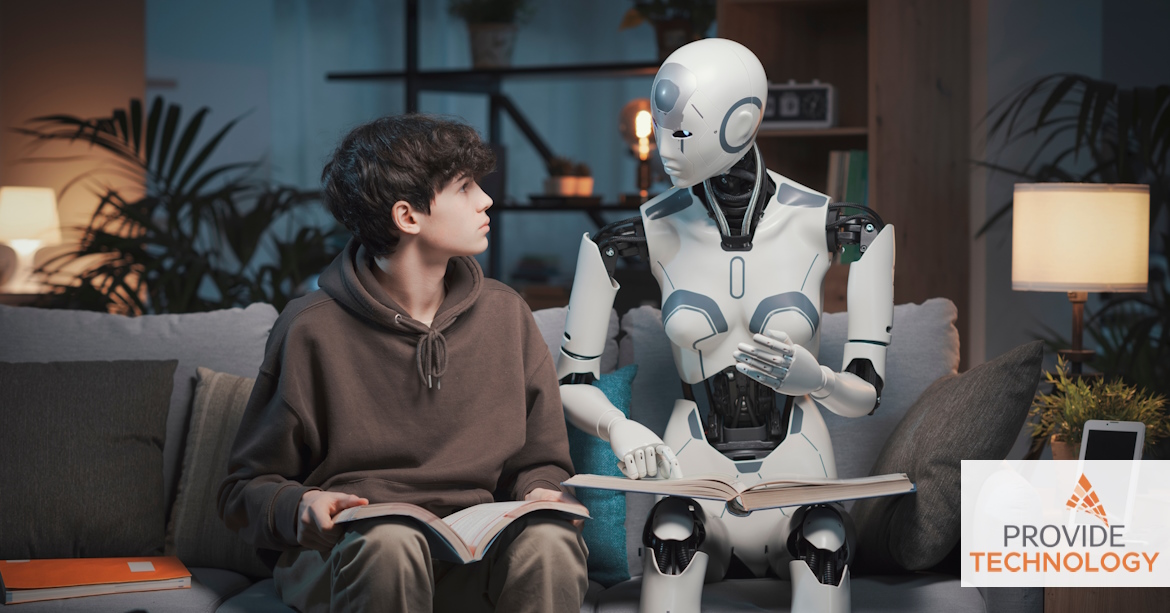
Understanding Artificial Intelligence (AI)
In an era defined by technological leaps and bounds, Artificial Intelligence (AI) stands as the vanguard of innovation, reshaping industries, and revolutionizing our daily lives. From personalized recommendations on streaming platforms to autonomous vehicles navigating bustling city streets, AI’s presence is everywhere.
Artificial Intelligence refers to the simulation of human intelligence processes by machines, enabling them to learn from experience, adjust to new inputs, and perform tasks traditionally requiring human intelligence. At its core, AI encompasses a broad spectrum of technologies, including machine learning, natural language processing, computer vision, and robotics.
Types of AI
Narrow AI (Weak AI): Narrow AI is designed to perform specific tasks or solve particular problems. It operates within a limited context and excels at tasks such as language translation, image recognition, and recommendation systems. ChatGPT, Google Gemini, and Microsoft Autopilot fall under this category.
General AI (Strong AI): General AI, also known as Artificial General Intelligence (AGI), is hypothetical AI that exhibits human-like intelligence and can perform any intellectual task that a human being can. While this remains a subject of speculation and research, current AI systems are predominantly narrow in their capabilities.
Here are some examples of Narrow AI:
ChatGPT
Developed by OpenAI, ChatGPT is an advanced language model that utilizes deep learning techniques to generate human-like text responses. Powered by the GPT (Generative Pre-trained Transformer) architecture, ChatGPT can engage in meaningful conversations, provide information, and even offer creative insights across a myriad of topics. Its versatility and natural language understanding have found applications in customer service, content generation, and educational tools, among others.
Google Gemini
Google Gemini represents Google’s foray into AI-driven personalized experiences. It harnesses the power of machine learning algorithms to deliver tailored content and recommendations to users across its suite of services, including search, YouTube, and Gmail. By analysing user behaviour, preferences, and contextual signals, Google Gemini enhances user engagement and satisfaction while driving business outcomes for advertisers.
Microsoft Autopilot
Microsoft Autopilot exemplifies the integration of AI into enterprise solutions, particularly in the realm of productivity and efficiency. Leveraging machine learning algorithms and natural language processing capabilities, Autopilot streamlines administrative tasks, automates workflows, and augments decision-making processes within organizations. From scheduling meetings to analysing data trends, Autopilot empowers users to focus on high-value tasks while delegating routine activities to intelligent automation.
As we witness the increase of AI across diverse domains, it is imperative to navigate its ethical, societal, and economic implications with prudence and foresight. While AI promises unprecedented advancements and opportunities, it also raises concerns regarding privacy, bias, and job displacement. By fostering interdisciplinary dialogue and responsible AI governance, we can harness the transformative potential of AI while mitigating its risks and ensuring inclusive progress for all.
Microsoft Co-pilot for Microsoft 365
Expanding upon Microsoft’s commitment to AI-driven productivity solutions, Microsoft Co-pilot represents a paradigm shift in collaborative work environments within the Microsoft 365 ecosystem. This innovative AI-powered assistant is designed to enhance teamwork, streamline workflows, and facilitate seamless communication across organizations.
Key Features and Capabilities of Microsoft Co-pilot:
Contextual Insights: Leveraging data from Microsoft 365 applications such as Outlook, Teams, and SharePoint, Co-pilot provides contextual insights and recommendations tailored to individual users’ preferences and work patterns. Whether it’s suggesting relevant documents for a project or identifying potential collaborators based on past interactions, Co-pilot ensures that users have the right information at their fingertips to make informed decisions.
Collaborative Document Editing: With Co-pilot’s collaborative document editing capabilities, teams can co-author documents in real-time, with intelligent suggestions for formatting, content organization, and language refinement. By analysing user input and historical document data, Co-pilot fosters a collaborative editing experience that maximizes productivity and ensures consistency across documents.
Meeting Assistance: Co-pilot simplifies meeting management and coordination by automating routine tasks such as scheduling, agenda creation, and follow-up actions. By integrating with Microsoft Teams and Outlook calendars, Co-pilot can intelligently schedule meetings based on participants’ availability, prioritize agenda items, and generate post-meeting summaries and action items, thereby streamlining the entire meeting lifecycle.
Data Analysis and Insights: Co-pilot harnesses the power of AI-driven analytics to uncover actionable insights from large datasets stored within Microsoft 365 applications. Whether it’s analysing sales performance metrics in Excel or identifying trends in customer feedback in Dynamics 365, Co-pilot empowers users to make data-driven decisions with confidence and agility.
Security and Compliance: Built with enterprise-grade security and compliance features, Co-pilot ensures that sensitive data remains protected and regulatory requirements are met. By adhering to Microsoft’s robust security standards and encryption protocols, Co-pilot provides users with peace of mind, knowing that their data is safe and secure.
Future Directions and Roadmap:
Looking ahead, Microsoft is committed to advancing Co-pilot’s capabilities through ongoing research and development initiatives. By incorporating cutting-edge technologies such as natural language understanding, machine learning, and predictive analytics, Microsoft aims to further enhance Co-pilot’s ability to anticipate user needs, automate repetitive tasks, and deliver personalized experiences tailored to each individual’s unique work style and preferences.
As organizations embrace digital transformation and seek innovative solutions to enhance collaboration, communication, and productivity, Microsoft Co-pilot stands ready to usher in a new era of intelligent teamwork and redefine the way we work, connect, and create value together.
AI stands at the forefront of technological innovation, reshaping industries, and redefining human-machine interactions. From conversational agents like ChatGPT to personalized experiences like Google Gemini and enterprise solutions like Microsoft Autopilot, AI continues to push the boundaries of what is possible. As we embark on this journey of exploration and discovery, let us embrace AI’s potential to augment our capabilities, enrich our lives, and pave the way for a brighter future.
For more information on Microsoft AI tools, or to discuss your IT needs, contact the team at Provide Technology.